Random WOD
The following is adapted from Coach Joe Masley (CF-L4)’s nutrition guidance to his current members at CrossFit Outer Limits and his prior affiliate, CrossFit Marshfield.
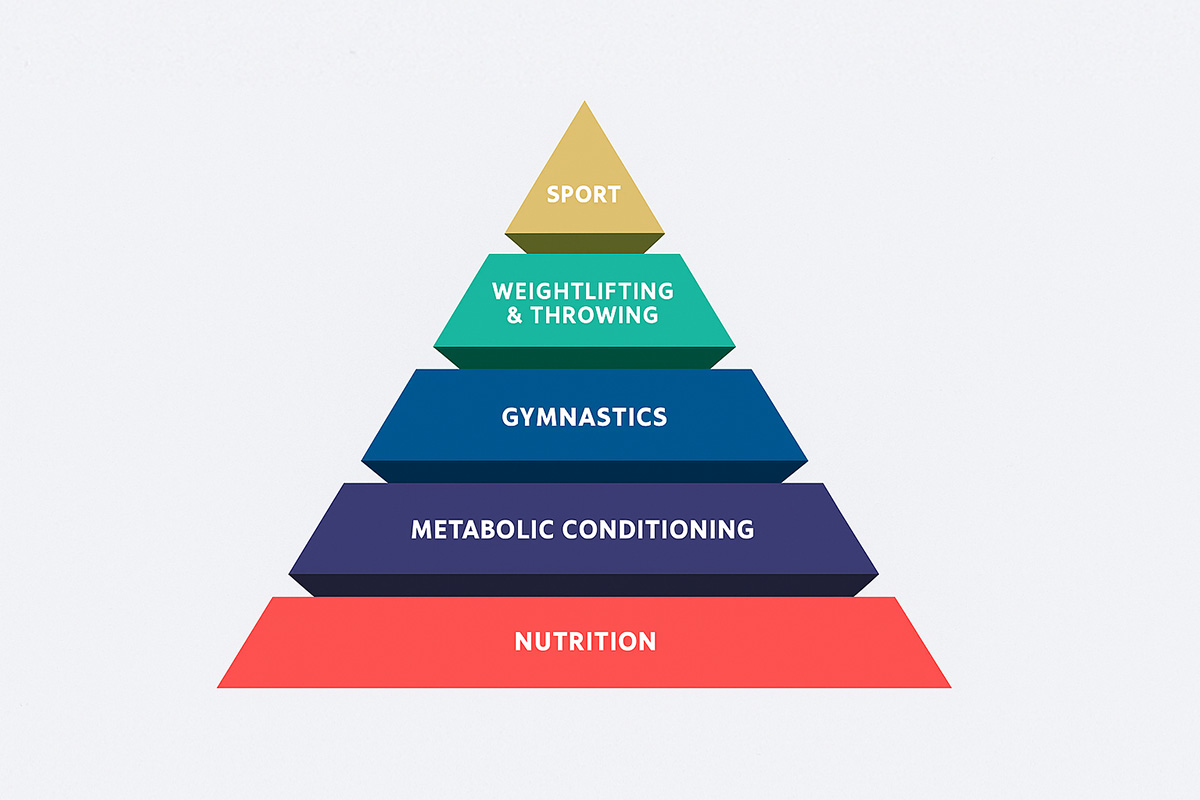
There is a reason nutrition is the foundation of the Theoretical Hierarchy of Development – it is the most important aspect of your health and development as an athlete. At WODWell we believe the same principles that Coach Joe employed at his affiliates to optimize our health and training – “Eat meats and vegetables, nuts and seeds, some fruit, little starch, no sugar. Keep intake to levels that will support exercise but not body fat.” (CF-L1 Training Guide).
Nutrition is the #1 thing in your control that you can do to help yourself live your best and healthiest life. Eating a diet composed of mainly real, whole foods will result in the greatest gains in our health and fitness, and in turn, our body composition. Prioritizing protein aids in building and maintaining lean mass, so be sure to include a protein source at each of your meals.
Here are some sustainable tips to help you dial in your nutrition for the rest of your life!
1. Eat Real Foods
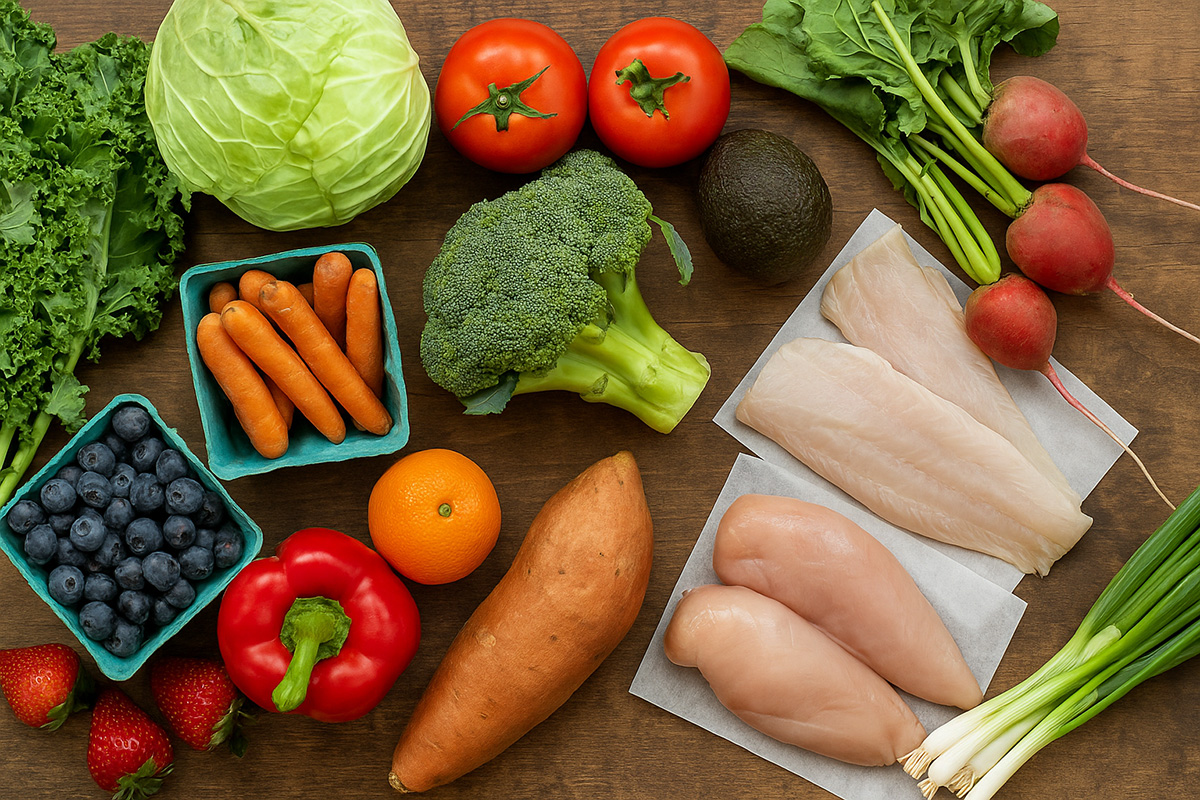
Real, whole, unprocessed foods are those that we find at the perimeter of the grocery store, have a shelf life of under 2 weeks, and usually only one ingredient.
They are always nutrient dense, calorically balanced, and give us all the macronutrients (protein, fat, carbs) and micronutrients (vitamins and minerals) that we need to achieve optimal health. These foods are grown in nature.
Examples of real, whole foods:
- Any fruit or vegetable
- Unprocessed meat such as chicken breast/thighs, pork tenderloin, sirloin steak, etc.
- Whole grains
- Dairy products such as milk, cheese, yogurt, eggs
- Fish
- Legumes
REMEMBER THE 80/20 RULE! Choose real, whole, unprocessed foods 80% of the time, 20% of your food choices have processed foods. This allows for balance and sustainability.
2. “No Sugar” Means “No Added Sugar”
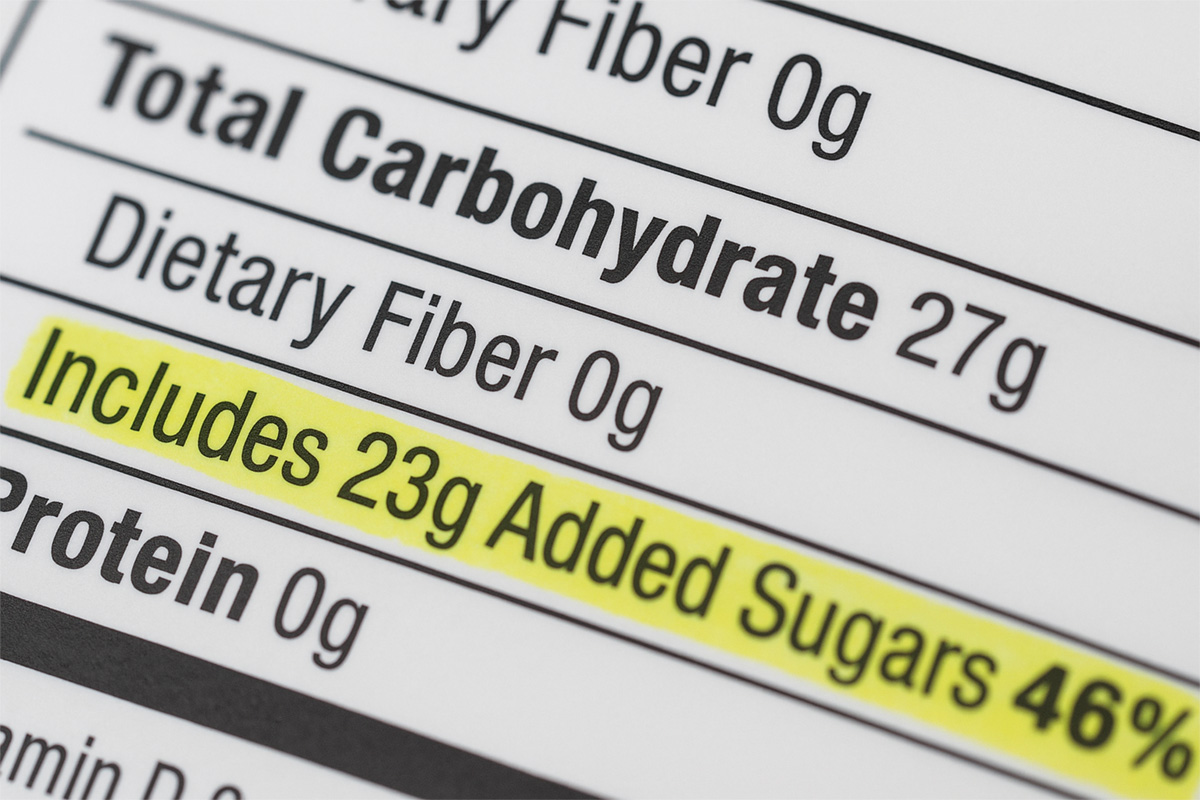
Yes, fruit has sugar. No, it does not have added sugar. No, fruit is not bad for you.
The sugars that you want to avoid are added sugars that can be found in most processed foods, especially candy, juices, crackers, etc.
How to know if your food has added sugar in it:
Look on the nutrition label under carbohydrates—there will be a line that says “sugars” and then “added sugars.” The added sugars are the ones you want to limit or remove completely.
3. Meal Prep

We realize meal prep can be tough with our busy schedules, kids’ activities, family obligations, etc. Sure these are hurdles, but they are possible to overcome with discipline and prioritizing it so that you can get it done.
There are many online resources for meal prep ideas—we recommend checking out The Real Food Dietitians because they have resources for weekly meal prep and recipes with the macronutrient break down.
But there are also some other great options like Nom Nom Paleo, Feeding the Frasers, and Ice Age Meals on YouTube.
For pre-made options: Ice Age Culinary Meals (available in the US)
4. Eliminate/Reduce

Eliminating or reducing alcohol from your diet is one of the fastest ways to improve body composition and overall health.
Alcohol:
- Adds visceral fat (abdominal fat) which contributes to chronic disease
- Negatively impacts sleep and recovery
- Disrupts blood sugar regulation
- Is calorically dense and provides no nutritional value
Try flavored seltzer waters or low-sugar mocktail recipes instead!
5. Weigh and Measure Your Food
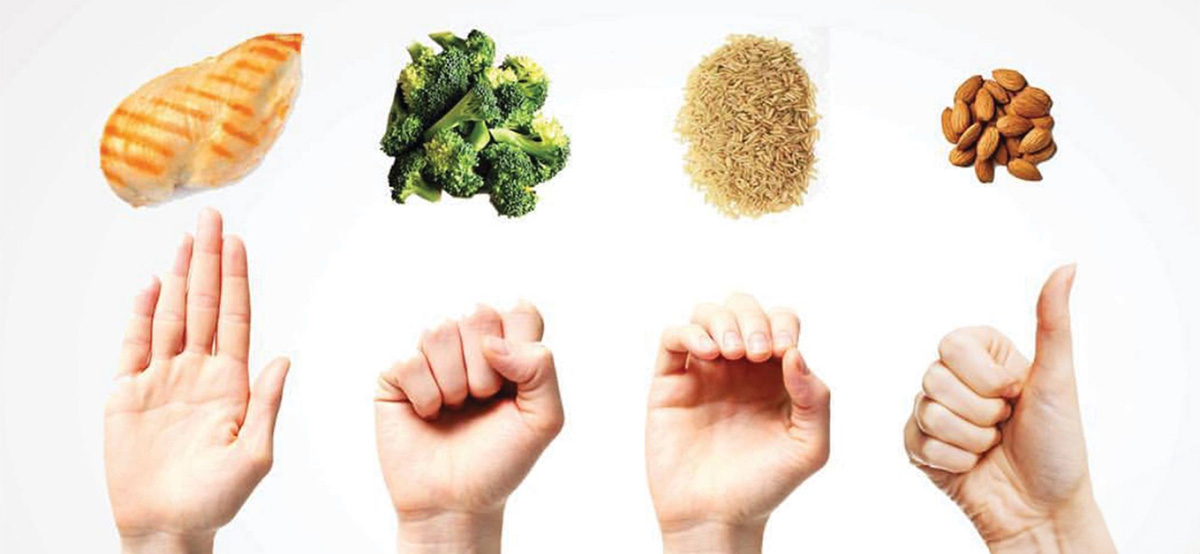
A guide for portions of protein, healthy fats, carbohydrates, and vegetables can help you get started developing an intuitive sense of nutrition just by using your hand.
This step may not be appropriate for everyone—and that’s okay. If you are psychologically ready and already eating mostly whole, unprocessed foods while limiting alcohol, then this is the next step in optimizing health and performance.
We track our nutrition by “keeping intake to levels that support exercise, not body fat.” (CF-L1 Training Guide)
Food is fuel and you should eat what helps you thrive athletically—but not more.
Macronutrients: Protein, Carbohydrate, Fat.
These dictate blood sugar levels and hormonal balance—both critical for long-term health and high performance.
Classifying foods:
- Meat = protein (even though it also has fat)
- Fruits/vegetables = carbohydrate (even though some have trace protein)
- Nuts = fats (even though they contain some carbs and protein)
For the typical WODwell independent athlete, adopting a relative balance of these macronutrients is a prudent approach. A practical balance:
- 40% carbohydrate
- 30% fat
- 30% protein
This is commonly referred to as a “40/30/30” approach.
The Zone Diet is a great starting point. It’s straightforward and organizes macronutrients into “blocks” that help estimate intake with simple measurements.
Athletes who perform best not only weigh and measure their food, but also:
- Eat mostly whole, unprocessed foods
- Prioritize quality sleep
- Manage stress effectively
6. Final Notes and Additional Resources

Consistency over perfection wins the long game.
Use this guide as a sustainable, lifelong approach to fueling your body for optimal health, performance, and longevity.
Looking for help on your nutrition? In our opinion, the best place to find coaching for sustainable nutrition guidance is from our friend EC Synkowski of Optimize Me Nutrition. Her “800 Gram Challenge” is an incredibly simple, yet effective way to bring back control to your diet.
Additional nutrition coaching resources in the community:
– Working Against Gravity
– RPM Nutrition
– M2 Performance Nutrition
– Healthy Steps Nutrition (HSN)
Build awareness.
- When you log your workouts, note the effect your nutrition affected energy and performance.
- Revisit this guide any time you need a reset.
- Share what’s working for you in our chat group — nutrition is personal, but accountability helps everyone.